

Validate First, Then Govern: How Procurement Should Approach External Workforce
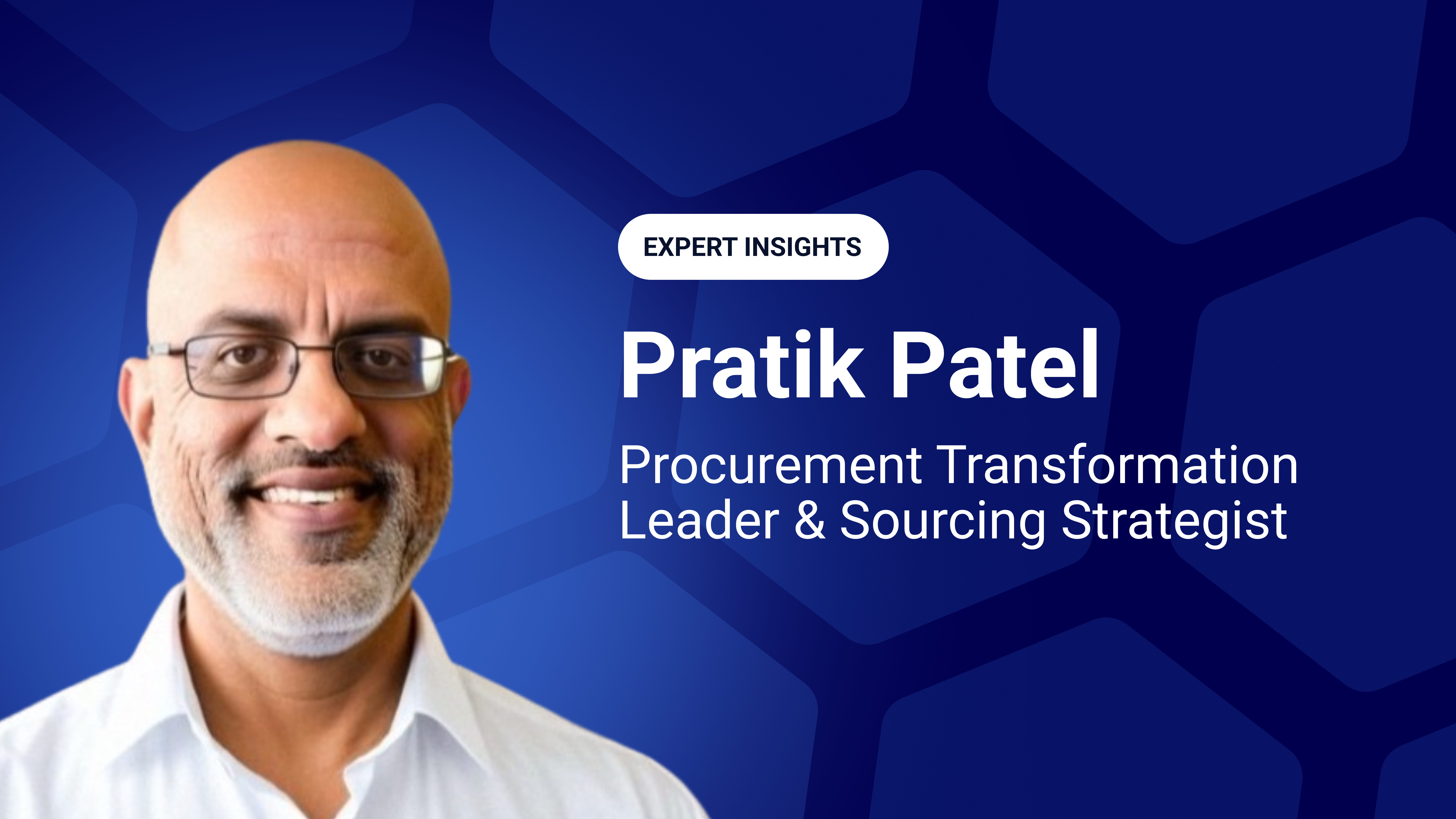
Pratik Patel is a Procurement Executive with over 23 years of experience leading global sourcing strategy, contingent workforce transformation, and digital procurement across enterprises including Mastercard and Energizer. He has led procurement organisations responsible for over $1B in annual spend and is recognised for modernising operating models, deploying AI-enabled sourcing tools, and building high-performing global teams.
Most procurement teams know the external workforce is part of their sourcing mix. Fewer have worked out how to engage it properly. In a conversation with Proteams, Pratik Patel - a Procurement executive with over 23 years of experience at organisations including Energizer and Mastercard - laid out three priorities he thinks every leader should address: validate the need, own the compliance risk, and demand real efficiency from external partners.
1. Validate the Need Before Choosing a Channel
Pratik's starting point is straightforward. Before procurement reaches for any sourcing channel, there needs to be a clear assessment of what the business is actually trying to achieve and whether the capability exists internally.
"You always need to have a validation of what is it that you're trying to achieve, what are the pros and cons of optionality. Do we have the skill set internally? Is this something that we can feasibly do internally? Is this something we want to do internally?"
If the answer is no, then the question becomes what kind of external engagement fits: fixed-price delivery, time-and-materials, or fractional support. The contract structure should follow from the need. And where there's a talent marketplace available, Pratik sees a particular advantage for short-duration or specialist work, because it gives procurement access to people who are comfortable working on a fractional basis and can be mobilised quickly.
2. Own the Compliance Risk
The second priority is risk. Engaging external workforce introduces compliance considerations that most internal stakeholders are not equipped to manage on their own, particularly around labour law across different markets.
"If you're going to work with third parties, you want to ensure they understand the local labour laws in those various markets and how they need to work within those laws."
Pratik is clear that this is procurement's responsibility to solve, not a reason to avoid external workforce altogether. The business will have the need regardless. If procurement can't provide a compliant path to fulfilling it, the spend happens anyway, just without governance. His view is that compliance is not a blocker. It is a capability procurement must bring to the table.
3. Demand Efficiency, Not Just Delivery
The third point is about what procurement should expect from external partners. Pratik draws a line between simply getting work done and getting it done well.
"You don't just want to outsource a need and have it completed. You want that outsourcing company to be a subject matter expert and know how to complete that need with a greater level of efficiency and productivity."
The test he applies is whether the partner can scale without proportionally increasing cost. If doubling the scope means doubling the spend, that's a delivery relationship, not a strategic one. Procurement should be evaluating external partners on their ability to bring depth, not just capacity.
The Bigger Picture
These three priorities sit within a broader shift in how procurement operates. The function has moved from processing purchase orders to managing categories to, increasingly, anticipating what the business will need before it asks. The external workforce is part of that picture. The sourcing channels are diversifying, and procurement's role is to make sure the organisation can access that talent compliantly, efficiently, and at the right cost. The leaders who get the compliance and governance piece right won't just protect the business, they'll be the reason the business comes to procurement first.